I was invited to speak on Jam’s podcast, “Building Jam” after meeting Jam’s CEO, Dani Grant during my recent trip to San Francisco. It will come as no surprise that what I talked about was the power of community in start-ups.
For half an hour, we talked about starting communities from the ground up, my experience with building online spaces for your users and how this impacts your company from product, culture and more.
In short
Community work is a mix of relationship-building, consistency, and good judgment. Careers in community rarely start in a straight line, great community builders stay close to members, and buy-in usually comes from starting small and tracking wins.
- Community careers often begin sideways, not through a perfect job title match.
- The work gets better when you stay close to members and keep learning in public.
- Internal buy-in usually comes from consistency, proof, and patience.
Catch up with the episode
You can watch the episode on YouTube, or if you prefer listen to the episode on Spotify.
And if you’d like to give us a +1 for the algorithm gods, we’d also appreciate that (Twitter/LinkedIn) 😊
After this episode was published, I’ve had some truly wonderful conversations spark off the back of this and I wanted to take some time to answer some of them.
How did you get a job in community?
Honestly? By accident.
I started building websites and writing blog posts mostly to create a space for my thoughts. My very early blog was found by a group of fellow bloggers in the “blogosphere”, and I would say that was my very first experience of an online community.
From there, I found myself drawn to tech, eventually realizing I had a genuine passion for bringing people together and connecting with others who cared deeply about the same things I did. Somewhere along the way, I “accidentally” became a community builder.
This video is quite old now. I definitely need to record an update at some point! But might be a helpful starting point for those looking for a bit of “I don’t know what I’m doing but I’ll figure out” career inspiration.
In a more practical sense, I recommend checking out meta communities like Uncommon by Common Room or DevRel Collective for job postings in their job channels.
I found myself become a community builder. Now what?
Now, you dive in! Get to know the members you’re working with every day and approach it with a mindset of building, learning, and teaching alongside them. This is one of the most rewarding parts of the job: you get to connect with amazing people and grow together, helping each other along the way.
And if you’ve just joined a community programme yourself, I’ve shared a practical guide on how to make the most of it.
For me, everything I want to achieve in my career comes down to this core purpose—connecting and supporting others. Getting to do that in an industry I love (tech!) is an added bonus.
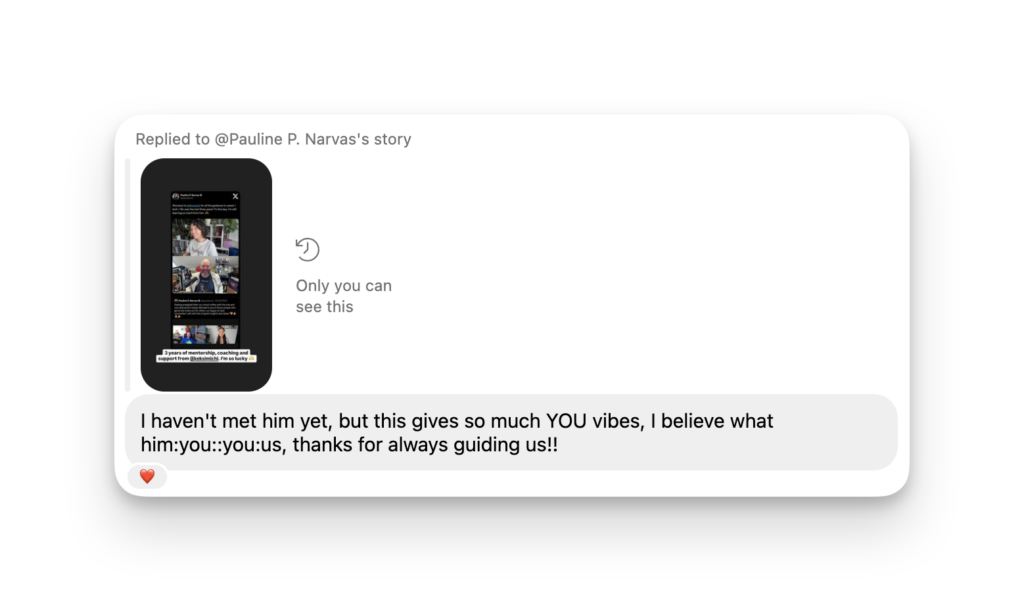
A reply from a community member on a recent Instagram Story where I shared this tweet, thanking Michael for being a great mentor for the last 3 years. I clearly am learning from the best!
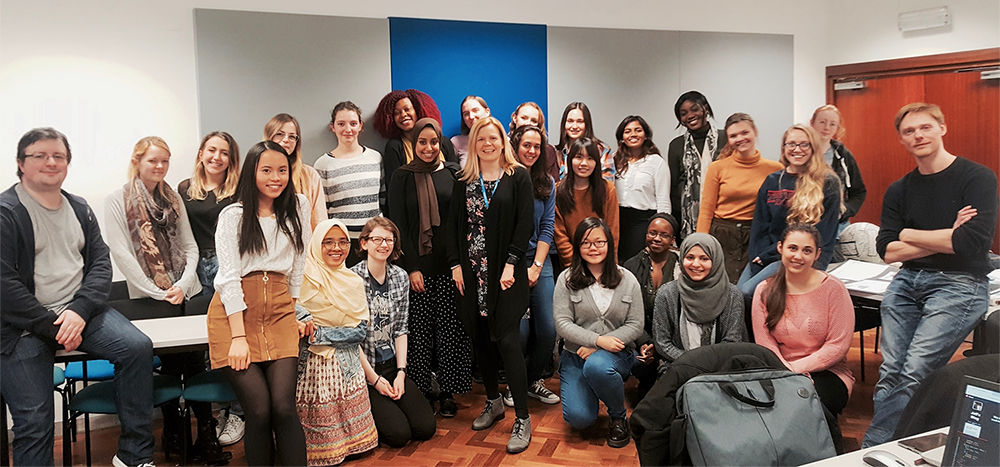
It’s no wonder that I often cite building local communities with Code First Girls back in the early days as my most fulfilling work I’ve ever done.
What communities do you recommend joining to learn from?
My all-time favorite for learning about community-building is Common Room’s Uncommon community, hands down.
Aside from that, it really depends on the niche you’re interested in. A quick Twitter search is usually a great way to find active and engaged communities. It’s how I’ve discovered some of the best spaces to learn from, and it still works well.
When is the best time for community engagement?
Timing depends on where your community members are located. Generally, I recommend engaging during the overlap between Europe and North America’s time zones. This means connecting when Europeans are finishing their workday and Americans are starting theirs—perfect for virtual events.
For in-person meet-ups, evenings usually work best, though ideally, a team with members across different regions can organize multiple events that accommodate their respective time zones.
I manage an open source community, but we have a separate product for customers with big contracts. Where do they fit in?
Balancing open-source contributors with big-contract customers can be challenging, especially when each group brings different value to the table. The key is to find alignment.
Identify any shared goals, technologies, or values, and work from there to create opportunities for collaboration.
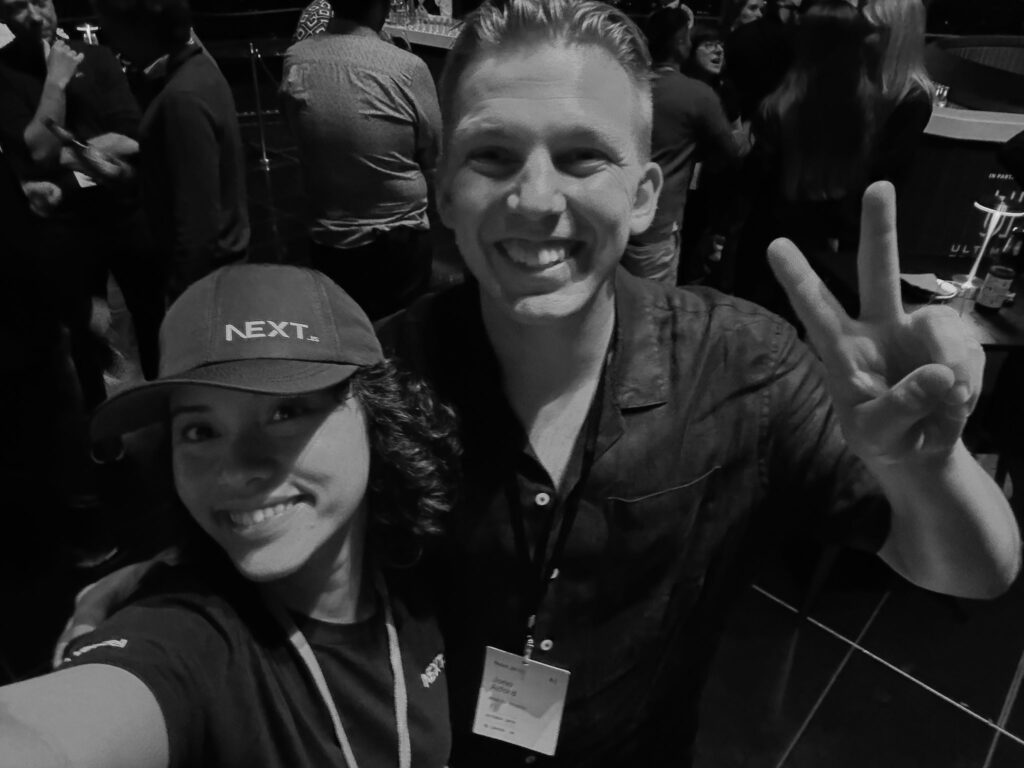
For example, you could facilitate knowledge-sharing between these groups, giving open-source contributors the chance to engage with customers.
For customers with specific needs, it may help to establish designated spaces for them, but always emphasize how these separate groups ultimately support the same mission.
In the Vercel Community for example, our mission is to create a generation of Vercel experts which benefits all our personas as it helps everyone learn how to optimise their usage on our platform.
Community doesn’t seem important to the start-up I work for now. What do I do?
This happens more often than you’d think!
Not every company sees community as a priority, especially when the focus is on growth metrics.
Start small. Build a case study by nurturing a few key user relationships or even creating a small online space for knowledge-sharing. Track your wins, even if they’re small, and share the impact with your team over time.
Eventually, as your team sees the effect on user engagement and loyalty, you’re likely to get more buy-in. Building community isn’t always an immediate return, but with consistency, you’ll have real data and stories to show its value.
Thank you to everyone that reached out! It’s been so fun exchanging ideas for recently. I’m always up for a virtual coffee chat, just reach out. ☕️