At the end of December, I took my longest break since entering the workforce. It was only three weeks, but it was exactly what I needed to step away from the noise and meditate on an incredible, yet overwhelming, year.
The world felt like it was moving at 10x speed in 2025.
In the tech industry, we were fueled by the frenetic energy of “vibe coding” with AI tools that shipped a constant stream of proofs-of-concept and quick demos.
Unsurprisingly, that energy carried over into my life.
I permanently moved to a new city (and back to the UK), let go of the remaining nomadic life I had, got promoted, and decided to stop dating losers. I met the love of my life, contributed to a book, faced a ton of fun challenges at work, and levelled up my peeps. If I’m being honest, my 20-year-old self would be shocked at my audacity.

But through the wins, I realized I was mostly just reacting. I was caught in the “Doer” trap: responding to the next notification, the next initiative, the next task. I was building a lot, but I wasn’t always designing.
I want to approach 2026 differently. For me, the shift from “doer” to “architect” isn’t about stepping away from the work; it’s about doing it with a longer timeframe. It’s moving away from the “busy-work” of reaction and toward the intentionality of design.
If you know me, you know this is a huge ask. I’ve failed at this multiple times before. But for the first time, I feel I have the tech, the environment, and the clarity to hopefully make it stick.
(If I’m leaning a bit too hard into these metaphors, you can blame my dad. He’s an actual architect and I wrote this after having a phone call with him 😂)
Here is what is top of mind for me as I design this year.
1. Community Agents
For a long time, the industry has debated the “death” of community platforms. I don’t buy it. These spaces aren’t dying; they are just waiting for us to catch up.
In 2026, the signal-to-noise ratio is the only metric that matters. Signal is the architect’s intentionality. Noise is the reactive chaos of the doer.
ξενία
When a developer lands in a community platform, they aren’t looking to talk to another LLM. They come because they are frustrated, stuck, or simply want to feel seen by another human who “gets it.” To meet them there, we have to return to the ancient Greek concept of Xenia: the sacred duty of hospitality.
Xenia suggests that a host’s first responsibility is to prepare the space and protect the guest before ever asking for their name. This is where I see the shift toward “scaled stewardship”. We can’t be everywhere at once, but our “taste” can be.
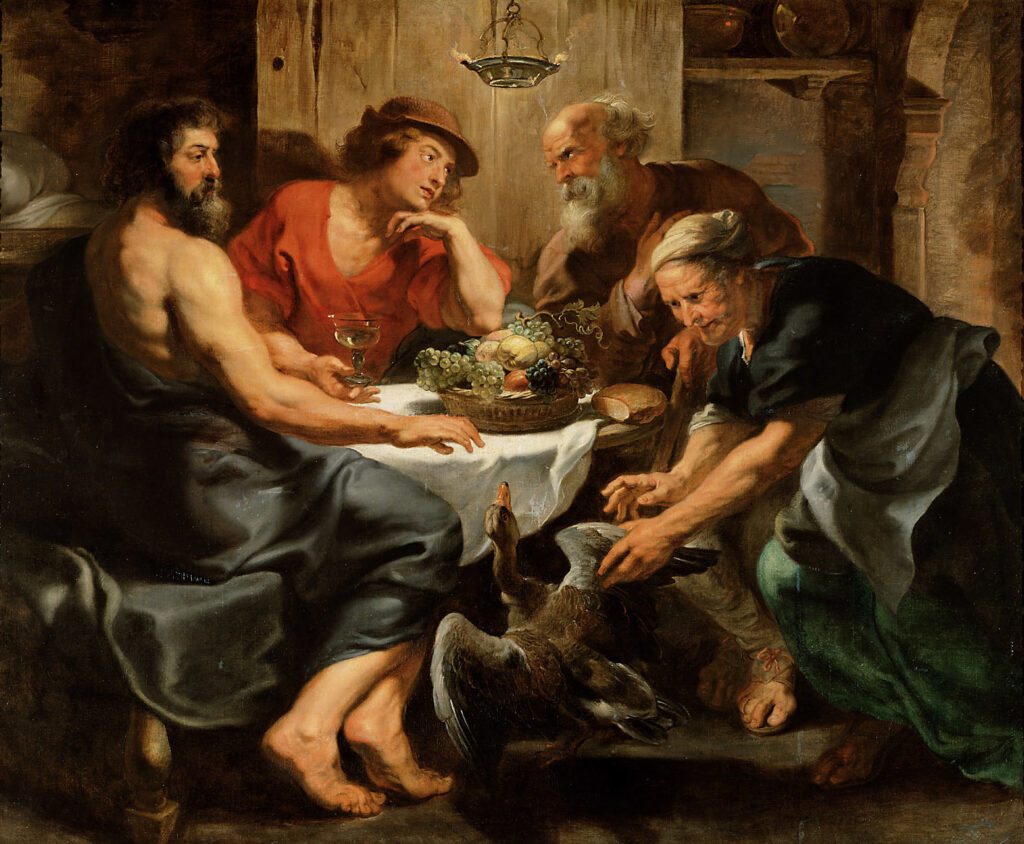
Jupiter and Mercurius in the House of Philemon and Baucis (1630–33) by the workshop of Rubens: Zeus and Hermes, testing a village’s practice of hospitality, were received only by Baucis and Philemon, who were rewarded while their neighbors were punished.

To me, taste is the obsession with the small things.
For example, how a CTA feels, how a community member is greeted, and the invisible standards that make a system feel “human” rather than just functional.
The agentic layer in Community
The vision is an agentic layer that handles the “rituals of care”.
- In the real world, a host ensures the room is warm, the lights are on, and the table is set before the guest arrives
- In the digital world, these rituals are about relentless attention to detail: ensuring code is formatted, titles are helpful, posts aren’t low-effort, and no post sits in the dark
In an agentic workflow, the system uses reasoning to determine the vibe of a post.
For example, it can distinguish between a beginner who is overwhelmed (and needs an encouraging concierge to point them to the right docs) and a power user who has found a legitimate edge case (and needs an immediate ‘engineer’ handoff). It’s the difference between a form letter and a host who actually listens to your tone of voice before responding.
The agent isn’t there to replace human connection; it’s there to perform the “virtual janitorial work” so that when a human does step in, they are stepping into a clean, warm room ready for a real conversation.
We automate the mundane specifically to protect the sacred.
The new community platforms
This isn’t about bot-to-human interaction; it’s about AI-mediated human connection.
The AI clears the path and prepares the hand-off, ensuring that when the human connection does happen, it is high-context, high-signal, and fully intentional.
The agent becomes a reflection of our best days, ensuring that even when we are offline, the ‘soul’ of the community remains intact.
2. How do you architect autonomy?
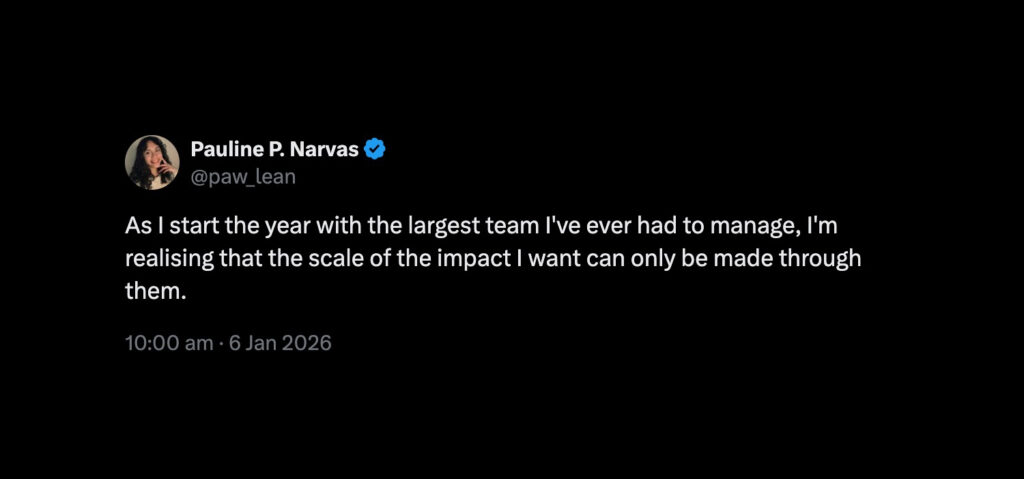
I want to assemble the greatest community team in the game. To do this, I realized that my job isn’t to be the “lead doer” but it is to be the “architect of the environment”.
I used to think my job was to ensure the work got done. Now, I see my job as ensuring the success criteria are so clear that the work does itself. I want my peeps to be so good that they become the most sought-after talent in the industry.
To achieve this, I’m leaning into these principles:
a. Human observability
In software, we can’t debug what we can’t see. Leadership is the same. To architect autonomy, I have to be as observable as the systems we build.
This means making my decision-making logic public within the team. When my thought process is transparent, my team doesn’t need to wait for my approval.
They can simply observe the pattern and move with total confidence.
b. Scaling “taste” as a mental model
I mean, if we teach an AI agent “taste”, we can inspire a team to seek excellence, right?
“Taste” isn’t a set of rules; it’s a mental model. My goal is to move from giving “tasks” (doer) to defining “patterns” (architect).
When the team understands the why, they become autonomous agents of excellence. They aren’t just shipping features; they are protecting the soul of the product.
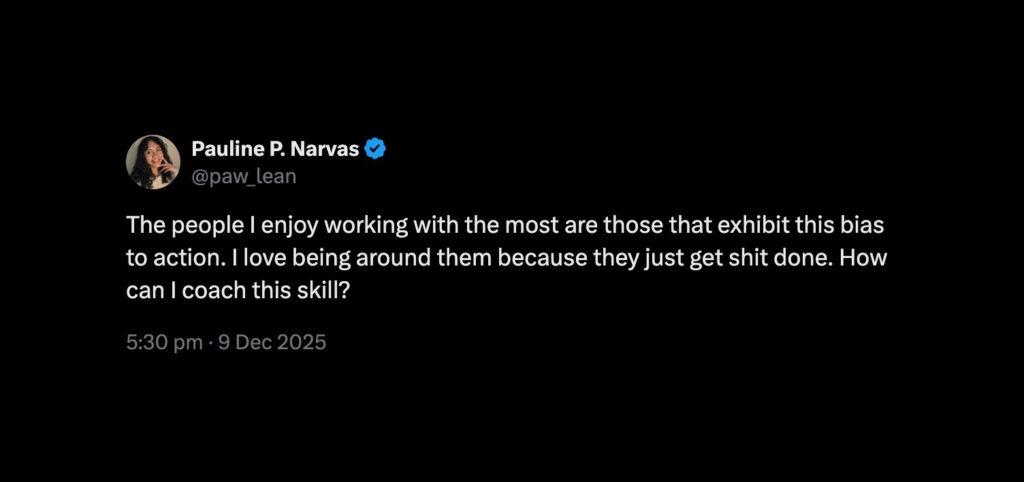
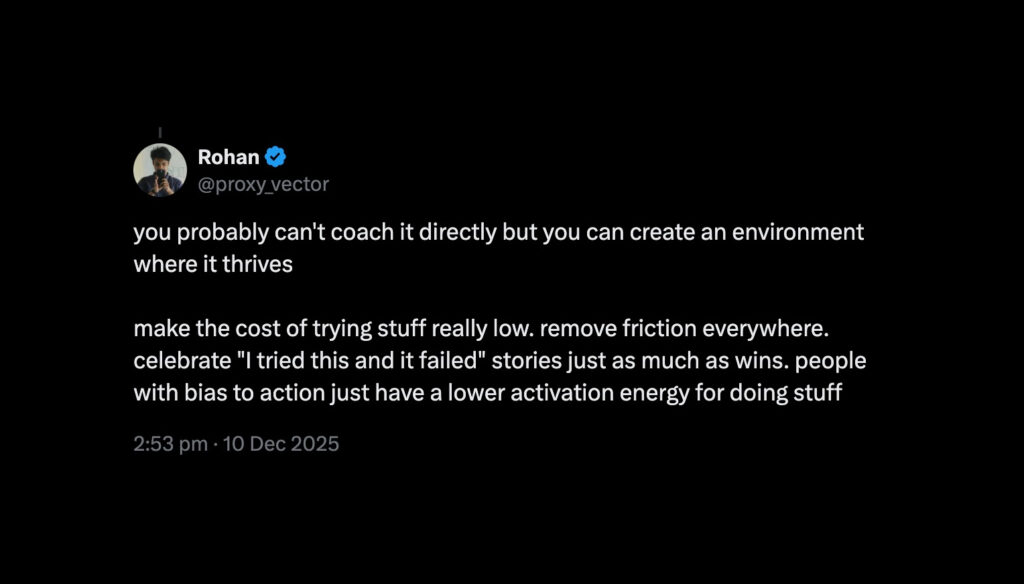
c. Reducing the “cost of coordination”
The goal of great architecture is to reduce friction. In a team, that friction is “syncing.”
I want to clear the path of corporate noise, provide high-context briefings, and honestly just get out of the way. I’m learning that if I’ve built the system correctly, my absence shouldn’t be a bottleneck. It should be a non-event.
3. The Great Lock-In
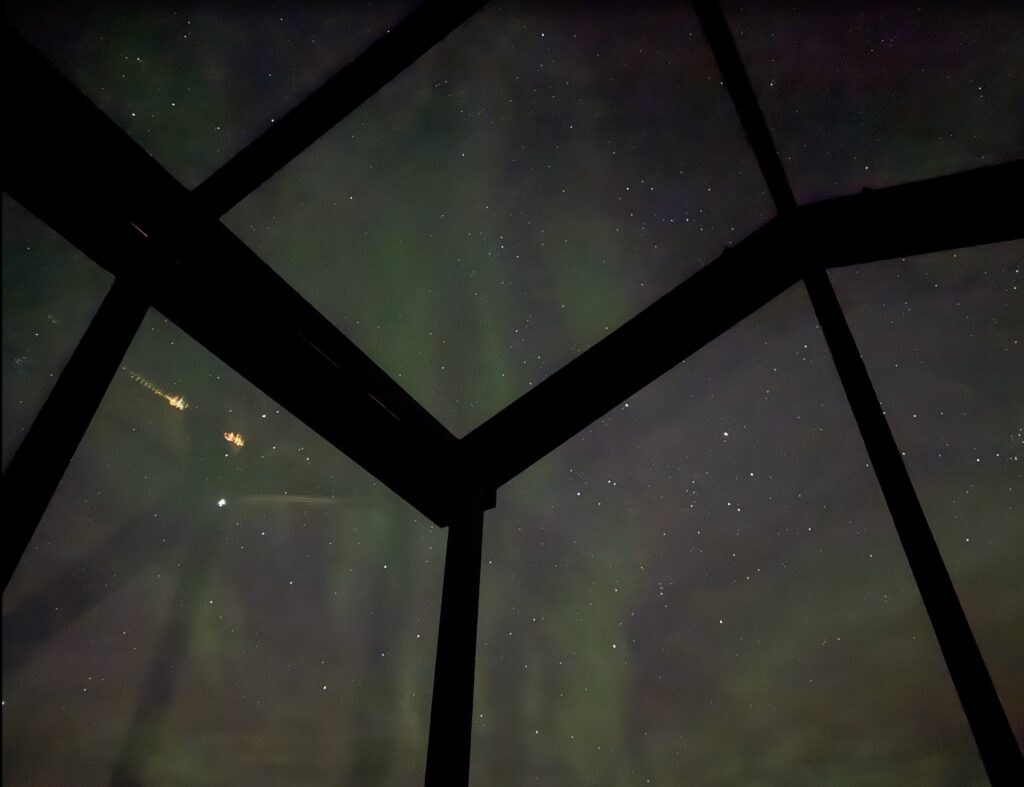
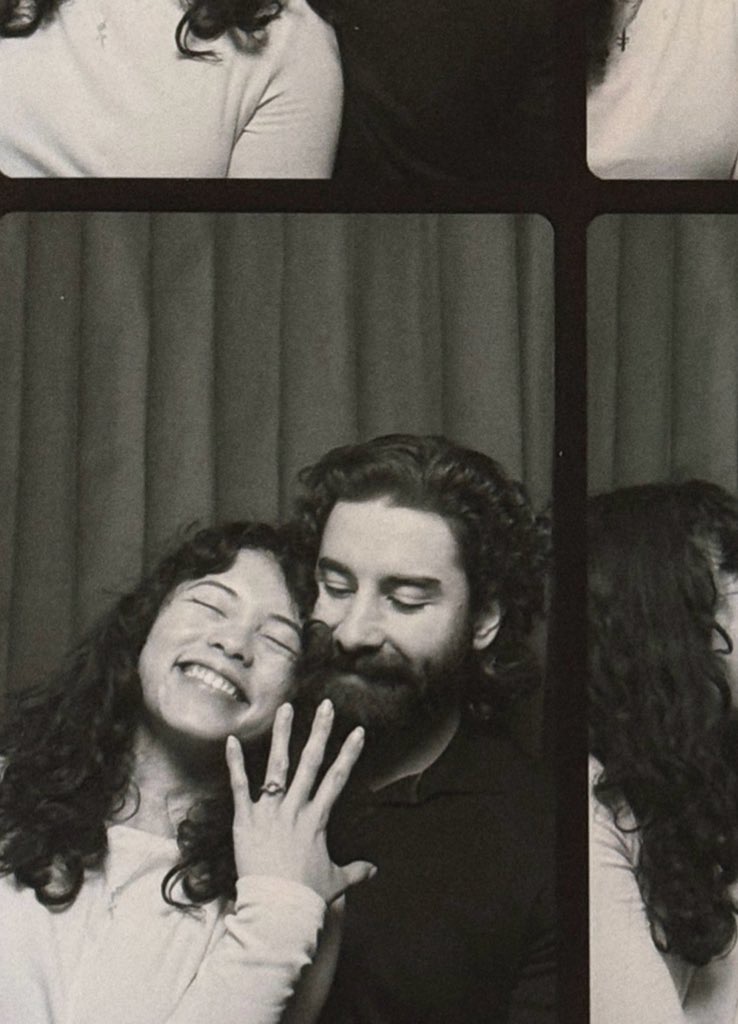
At the end of last year, my life changed in a way I’m still processing. My now-fiancé proposed to me in Iceland, under the Northern Lights.

Yes, that is a purple ring. People have described the ring as “so me”, I am still in shock as I type this.
The Great Lock-in meant something completely different to him. 😌
For most of my recent life, I lived with a nomadic energy. Everything was temporary, and I was always on the move. That life was full of noise, the reactive chaos of the “next thing,” the temporary stays, and the constant shifting of horizons. Moving from being solo to building a life with a partner has helped me build a safe and solid foundation rooted in commitment.
In tech, we fear lock-in because it limits choices.
However, in architecture, you cannot build something that reaches the sky without first being firmly grounded. This commitment is the load-bearing pillar of my life.
It provides the emotional bandwidth and the “structural safety” I need to take bigger risks everywhere else. This personal peace is the cheat code that overflows into every other pillar I’m designing.
We were built for covenant and community
Looking back at those lights in Iceland, I’m reminded that we weren’t meant to wander forever.
Closing this intentional loop is an act of gratitude for the foundation provided for me. I’m trading the noise of the “next thing” for the peace of the “permanent thing,” trusting that when the foundation is solid, everything can truly flourish.
Better taste, clearer signals, and a life where the light is always on. That will be my 2026.